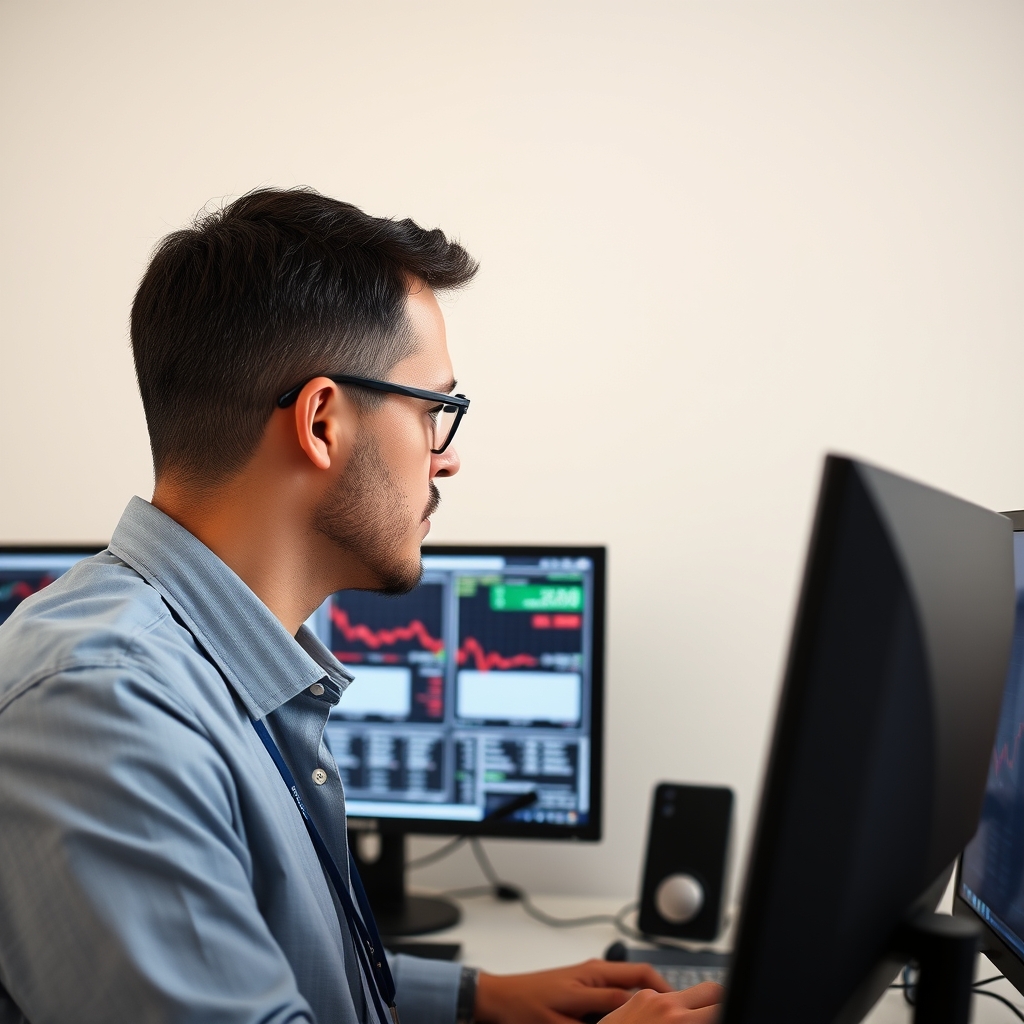
For most traders, the 5-minute chart is the best starting point for scalping. It filters out much of the noise of the 1-minute chart while still giving enough setups to practice on. The 1-minute suits experienced traders with tight spreads and fast execution, and the 15-minute suits those who want fewer, slower trades. No timeframe is inherently more profitable, and results depend on costs, discipline and market conditions.
How the three timeframes compare
| Timeframe | Noise | Cost sensitivity | Screen time | Tends to suit |
|---|---|---|---|---|
| 1-minute | High; many false signals | Very high | Constant attention | Experienced traders with low-cost execution |
| 5-minute | Moderate | High | Frequent checks | Learners and most active scalpers |
| 15-minute | Lower | Moderate | Fewer, slower setups | Traders who find faster charts stressful |
Why costs matter more on shorter charts
On a 1-minute chart, a typical move may be only a few pips, so the spread can take a large share of your target. A 15-minute target is usually bigger relative to the same spread. Before choosing, look at your broker's actual costs; see Spreads, Commissions and Slippage: What Scalping Really Costs.
 Recommended for youBuy/Sell Arrow Indicators for Scalping: Do They Work and Which Are Worth Paying For?
A practical way to choose
- Start on the 5-minute. Use the 15-minute chart for context, such as trend direction and nearby support and resistance.
- Test before risking money. Use a demo account or small size for a meaningful number of trades. Demo fills are often better than live ones, so expect some difference.
- Move down only if costs allow. If your spread is wide or your execution is slow, the 1-minute chart will probably hurt you.
- Trade active sessions. Liquidity affects spreads and signal quality more than the timeframe does. See the best hours of the day to scalp forex.
A note on indicators
Indicators behave differently by timeframe. Faster charts produce more signals and more false ones. Be wary of any tool that promises accurate entries on the 1-minute chart. Our review of buy/sell arrow indicators for scalping covers what to check, and you should confirm current details on each vendor's official site. For rules on stops and targets, see Scalping Entry and Exit Rules.
Scalping carries a high risk of loss, particularly with leverage. Only trade money you can afford to lose, and consider speaking to a licensed financial professional if you're unsure.
Related
- Scalping Indicators & Short-Term Strategies
- Is Forex Scalping Profitable? Realistic Limits and Who It Suits
- Can you scalp forex with a small account?
Keep reading
 Scalping Entry and Exit Rules: Indicator-Based Setups, Stops and TargetsScalping rules are mostly about one thing: making sure the distance to your stop, the distance to y…
 Spreads, Commissions and Slippage: What Scalping Really CostsScalping looks cheap on a chart. A 5-pip target feels small and quick. But every trade carries a fi…
 Is Forex Scalping Profitable? Realistic Limits and Who It SuitsShort answer: it can be, for some people, but it is harder than most marketing suggests. Scalping m…